Social Media Training
Facebook, TikTok, Telegram. You already know how to use them. You opened the app, created an account, and started posting — probably without reading a single instruction.
That is exactly how these apps are designed. The companies that build them spend billions of dollars making sure you can use them without thinking. The easier and more enjoyable they are to use, the longer you stay. And the longer you stay, the more money they make.
But here is what nobody tells you when you sign up: being able to use social media is not the same as knowing how to use it safely.
The app is easy. The world behind it is not.
You do not need training to send a message or post a photo. The app does that for you.
What you do need to understand is the environment you are walking into. And that environment is complicated.
Here are just some of the things that social media training actually covers — none of which the app will ever explain to you:
Why does it matter?
Social media platforms want to know everything about you.
Here is why.
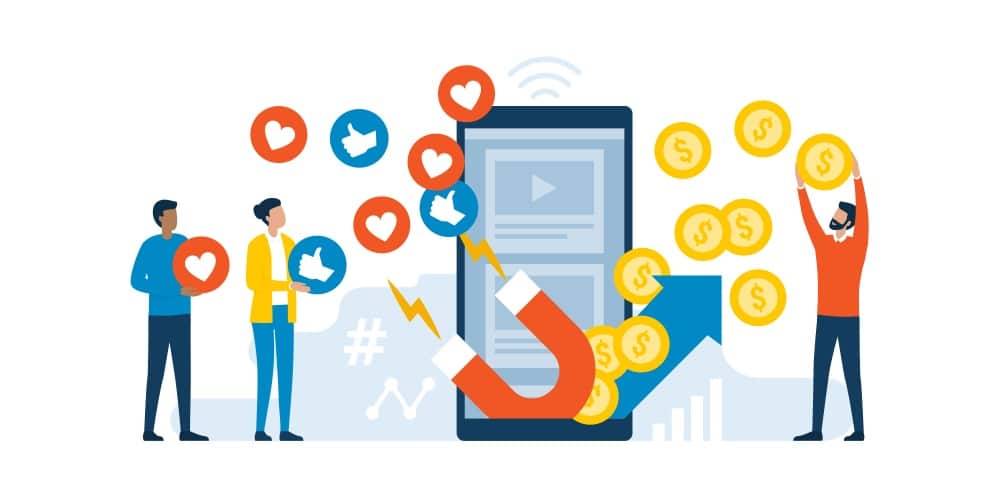
The more they know about you — your age, your location, what you like, who your friends are, what you search for — the better they can keep you on the app. They use that information to show you content that hooks you in, pull you into groups and conversations that keep you engaged, and sell advertising targeted precisely at people like you. That is their business model.
None of that is secret. But here is what most people do not think about: every piece of information you give them — and every piece you give to others — can be used in ways you never intended. By the platform. By advertisers. And by other people.
That is why understanding your personal and private information is the starting point for everything else.
What do I need to be aware of?
Your personal and private information
What counts as private? What happens to information once you post it? Who can see it — now, and in five years’ time?
Who is looking for you — and why
Not everyone online has good intentions. Some people create fake profiles to build relationships with young people. Others are looking for information they can use against you. Understanding who these people are and how they operate is not paranoia — it is common sense.
Your digital reputation
Employers and universities look at social media profiles. A post from today can affect your future. What does your profile say about you to someone who does not know you?
Scams, fake news, and manipulation
Social media is full of information that is designed to mislead you — fake news, scam messages, manipulated images. How do you tell the difference between what is real and what is not?
Privacy settings — the ones that actually matter
Most people never change their default settings. Default settings are almost never the most private. Which settings should you change, and how?
Screen time and mental health
Social media is designed to be addictive. Likes, comments, and notifications trigger the same part of the brain as gambling. How do you use social media without letting it use you?
Cyberbullying — as a target and as a bystander
What do you do if someone targets you online? What is your responsibility if you see it happening to someone else?
This is what IT Club teaches
All of the above — and more — is covered in IT Club Cambodia’s Social Media course, part of our free digital skills programme for students in grades 8 to 12.
We do not teach you how to use Facebook. You already know how to do that.
We teach you how to navigate the world you find yourself in when you do.
Follow our blog and Facebook page for regular posts on staying safe, building skills, and making the most of the technology in your hands.
Follow our social media training
After that read about Digital Security also read about the course on the Passwords.